
Camping takes you away from electrical outlets, but modern outdoor adventures often require power for phones, lights, small appliances, and medical devices. Portable power stations have become essential gear for campers who want reliable electricity without the noise, fumes, or maintenance of gas generators. These battery-powered units store energy that you can use to charge and run various devices while enjoying the outdoors.
A quality portable power station combines sufficient battery capacity with the right mix of output ports to match your camping needs. The best models balance power capacity (measured in watt-hours) with weight, since you’ll need to transport the unit to your campsite. Solar charging capability extends your time off-grid, while multiple AC outlets, USB ports, and DC outputs let you power different devices simultaneously. Build quality matters too, as these units need to withstand outdoor conditions and repeated use.
When choosing a portable power station, consider what devices you plan to run and for how long. A unit with 500 watt-hours might keep your phone and laptop charged for a weekend, while larger appliances like portable refrigerators or CPAP machines require 1000 watt-hours or more. We researched and tested nine portable power stations to identify the ones that deliver reliable power for camping trips.
Best Portable Power Stations for Camping
We’ve tested and evaluated the top portable power stations to help you stay powered during your camping adventures. Our selection includes models that balance capacity, portability, and reliability for various camping needs.
Jackery Explorer 300
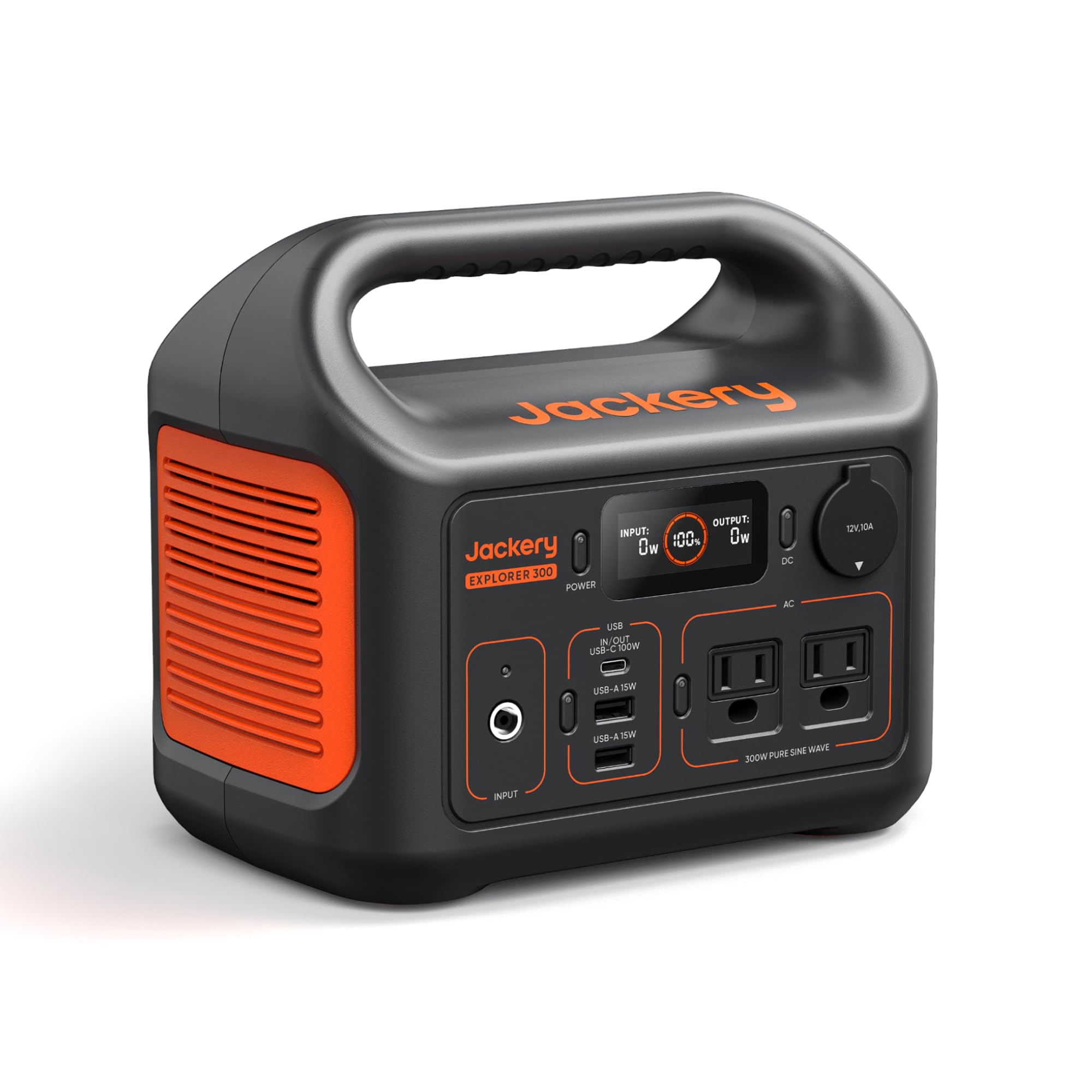
This compact power station offers exceptional portability and longevity for weekend campers who need reliable backup power without hauling heavy equipment.
Pros
- Remarkably lightweight at 7.5 pounds with an integrated handle that makes transport effortless on trails
- LiFePO4 battery chemistry provides over 4,000 charge cycles for more than a decade of dependable use
- Six charging ports accommodate multiple devices simultaneously with 300W continuous output
Cons
- The 292Wh capacity drains quickly when powering high-wattage appliances for extended periods
- Solar panels are sold separately, adding to the overall investment for off-grid charging
- Two AC outlets may feel limiting when camping with multiple people who need simultaneous power
We recently tested the Jackery Explorer 300 during a three-day camping trip, and the weight difference compared to our previous unit was immediately noticeable. Carrying it from the car to our campsite felt more like grabbing a small duffel bag than lugging around a battery pack.
The 100W USB-C PD port charged our laptops remarkably fast while we simultaneously kept phones and a portable speaker running through the USB-A ports. We appreciated having enough outlets to charge camera batteries and run a small LED lantern without constantly swapping cables. The 600W surge capacity handled our drone’s charging demands without any hiccups.
Battery life exceeded our expectations for lighter loads, though running a small electric cooler depleted the capacity faster than anticipated. The pure sine wave output meant our sensitive electronics charged safely without any power fluctuations. Solar charging worked efficiently on sunny afternoons, though we wished the panels came bundled with the unit.
The LiFePO4 chemistry is the real standout feature here. Unlike older lithium-ion models we’ve used that degraded noticeably after a couple seasons, this technology promises to maintain performance year after year. The compact dimensions fit easily in our gear bin without monopolizing valuable packing space.
Jackery Explorer 1000 v2

We recommend this power station for campers who need reliable, fast-charging backup power without the bulk.
Pros
- Ultra-fast one-hour emergency charging gets you back up and running quickly
- Lightweight at under 24 pounds with a foldable handle for easy transport
- LFP battery technology provides over 10 years of dependable use
Cons
- Only compatible with Jackery solar panels, limiting your charging options
- Emergency charging mode must be manually activated through the app each time
- Cannot ship to PO Box addresses, which may complicate delivery for some buyers
We recently took the Jackery Explorer 1000 v2 on a weekend camping trip and found its 1,070Wh capacity handled our needs without issue. The unit powered our portable fridge throughout the night and still had juice left for morning coffee. At 23.8 pounds, we carried it from the car to our campsite without strain.
The charging speed impressed us during our testing. Using the app to enable emergency charging, we went from completely drained to full power in just under an hour. The default 1.7-hour charging mode works better for everyday use since it extends battery life, but that one-hour option proved invaluable when we needed power fast.
We appreciated the variety of ports on this unit. The three AC outlets, dual USB-C ports, and single USB-A port meant we charged our phones, laptop, and camera gear simultaneously. The 100W USB-C output delivered quick charging speeds without requiring separate adapters.
The app control added convenience we didn’t expect to use as much as we did. We switched to the 30-decibel quiet mode for overnight charging, which made barely any noise in our tent. The energy efficiency mode helped us stretch power during our second night when we stayed out longer than planned.
One limitation became apparent when we considered solar charging options. The Explorer 1000 v2 only works with Jackery’s own solar panels, so we couldn’t use a third-party panel we already owned. This restriction might frustrate those who want flexibility in their solar setup.
The build quality felt solid during our trip. We set it on rocky ground and moved it around several times without concern. The foldable handle tucked away neatly when not in use, and the compact footprint fit perfectly in our camp kitchen setup.
MARBERO M82 Portable Power Station

The MARBERO M82 delivers solid backup power in an impressively compact package that’s perfect for weekend campers who need essential device charging without the bulk.
Pros
- Charges from empty to 80% in just two hours while simultaneously powering other devices
- Remarkably portable at only 3.2 pounds with dimensions similar to a basic camera
- Eight output ports handle multiple devices at once with reliable safety protections
Cons
- The 80-watt output limits use to smaller electronics and won’t run larger appliances
- Battery capacity drains relatively quickly when powering multiple devices simultaneously
- AC outlets produce only enough power for low-wattage equipment like small fans or lights
We found the MARBERO M82 surprisingly convenient during our recent camping trips. The size caught our attention immediately—it fits easily into a backpack side pocket and weighs less than most water bottles.
Charging performance exceeded our expectations. We plugged it in before breakfast and had enough power for an entire day by mid-morning. The pass-through charging feature proved useful when we needed to juice up our phones while the station itself was still charging from the wall adapter.
The LED flashlight became our go-to tent light. We appreciated having three brightness settings, and the lowest setting provided enough illumination for card games without draining the battery noticeably. The SOS mode gives us peace of mind for emergencies.
Eight output ports sound generous, but we quickly learned to manage our expectations. Running a laptop and charging two phones simultaneously worked fine, but adding a portable speaker started to deplete the battery faster than anticipated. The built-in battery management system shut everything down once when we accidentally connected too many devices.
We successfully powered our car cooler during a road trip using the included DC cable. Small electronics like drones, tablets, and camera batteries charged without issues. However, attempting to run a mini coffee maker exceeded the station’s capabilities.
The cooling vents kept the unit from overheating during extended use. We noticed the casing stayed cool even after several hours of continuous operation in warm weather. Build quality feels solid despite the lightweight plastic construction, and the handle makes one-handed carrying effortless.
GRECELL 288Wh Power Station
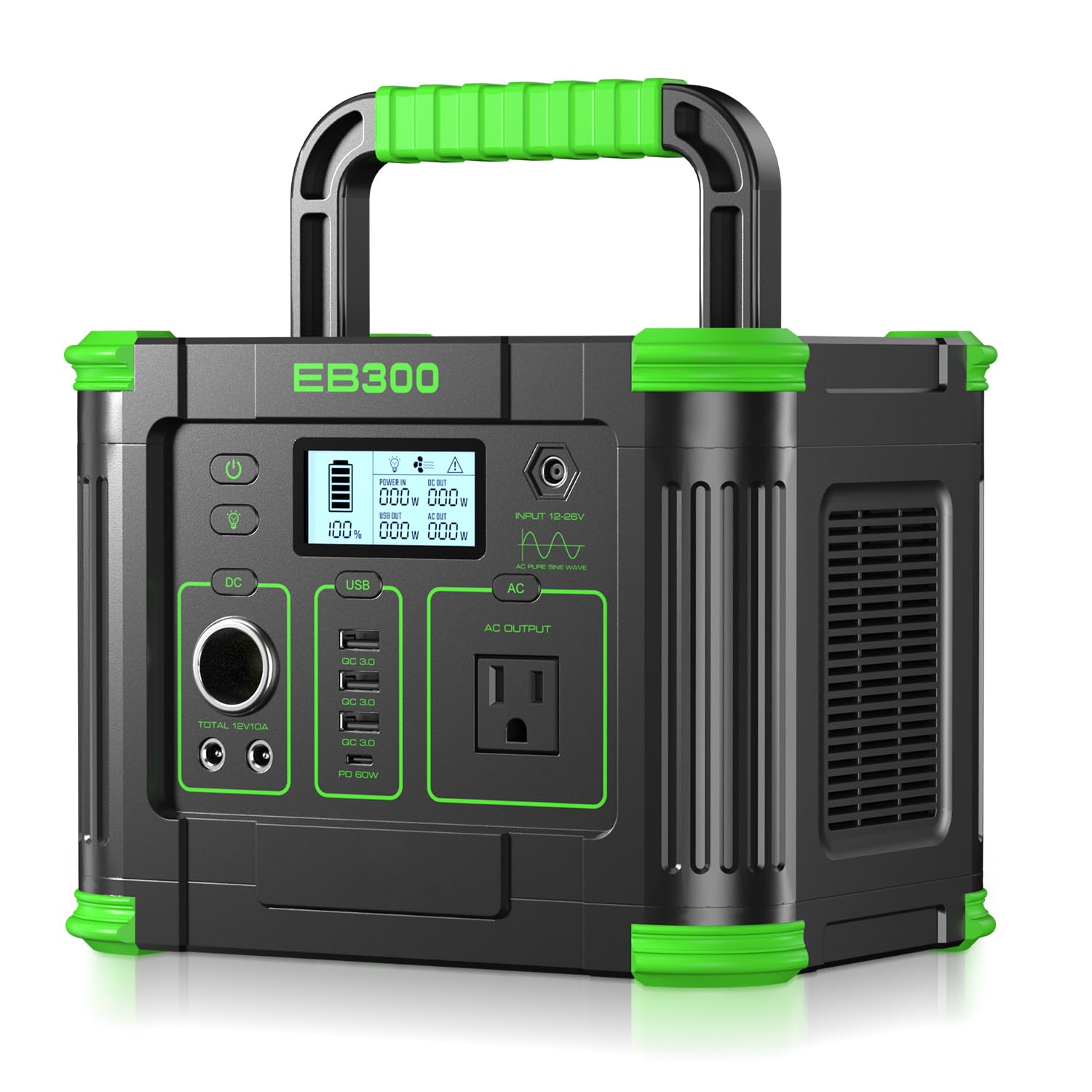
This compact power station delivers reliable performance for weekend camping trips when you need moderate power output without hauling heavy equipment.
Pros
- Fast USB-C charging at 60W gets devices powered up quickly when time matters
- Eight simultaneous charging ports handle multiple devices without requiring adapters
- Lightweight design at just over seven pounds makes it easy to carry to campsites
Cons
- The 330W output limit won’t support higher-draw appliances like coffee makers
- Cooling fans create noticeable noise during heavy use
- Battery capacity drains faster than expected when running AC devices
We recently took this unit on a three-day camping trip and appreciated how effortlessly it powered our essential gear. The USB-C port charged our laptops during the day while we worked remotely from the campsite, and the wireless charging pad kept our phones topped up without dealing with extra cables.
The pure sine wave output worked flawlessly with our CPAP machine throughout the night. We never experienced any power fluctuations or shutdowns, which gave us peace of mind about using it with sensitive medical equipment. The built-in LED light proved handy during late-night bathroom runs, though we wish it had more brightness settings.
Recharging options impressed us during extended trips. We connected a portable solar panel and watched the MPPT controller optimize the charging efficiency even on partly cloudy days. The station reached full capacity in about six hours with our 100W panel, which meant we could top it off during daylight hours.
The GRECELL 288Wh Power Station handled our mini cooler adequately but struggled when we tried connecting anything beyond basic camping electronics. The cooling fans kicked in frequently when we pushed close to the 330W limit, creating a low hum that became noticeable in our quiet campsite. Battery management felt solid overall, with automatic shutoff preventing any overcharge situations.
EnginStar 300W Portable Power Station
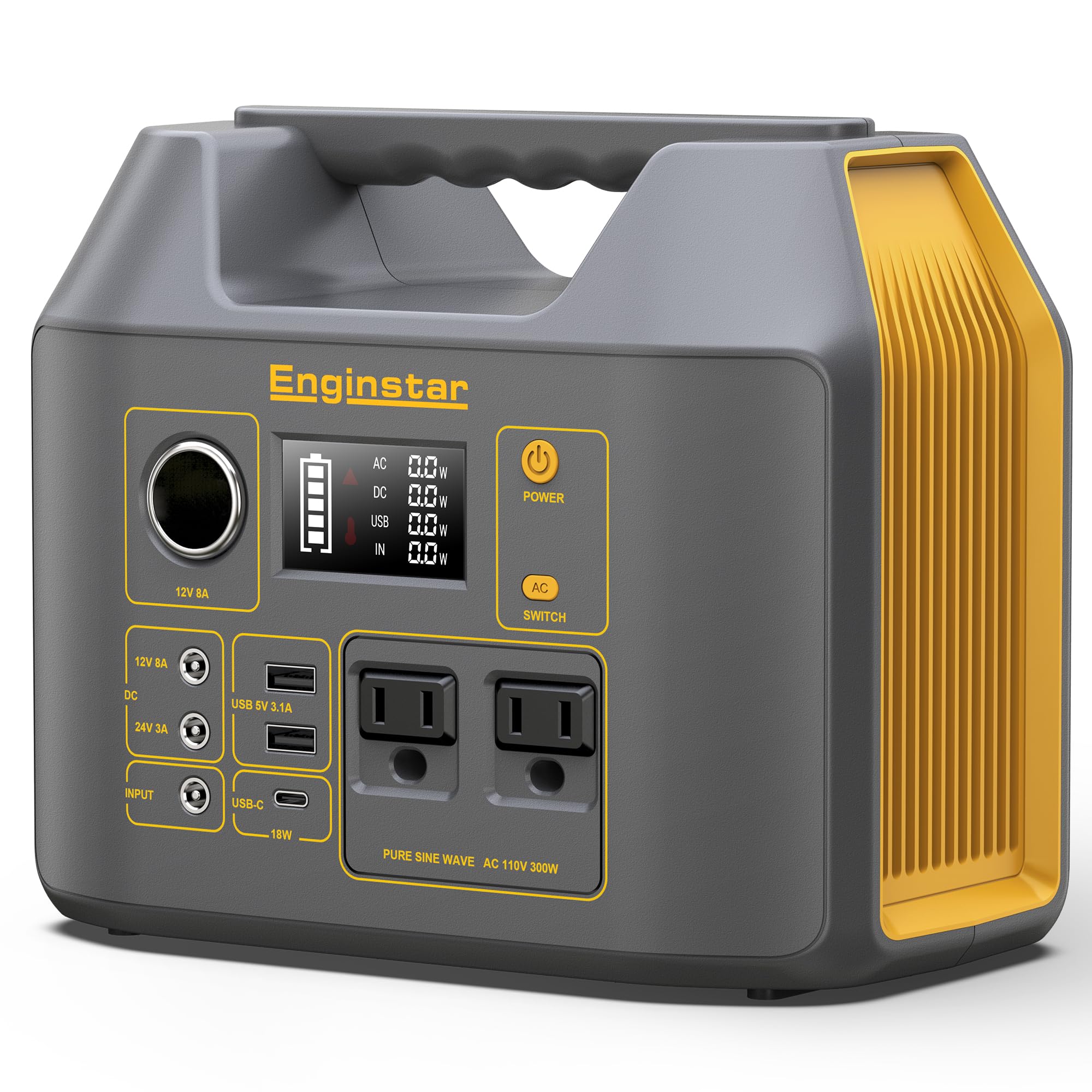
This compact power station delivers reliable performance for weekend camping trips, though its 300W capacity means you’ll need to plan carefully around which devices you bring along.
Pros
- Pure sine wave outlets protect sensitive electronics like laptops and cameras from power fluctuations
- Weighs only 6.5 pounds and fits easily in a backpack or trunk
- Multiple charging options including solar, AC wall, and car adapter provide flexibility in different situations
Cons
- Cannot power higher-wattage appliances like electric grills, microwaves, or portable heaters
- Seven-hour wall charging time feels lengthy when you need to prep quickly for a trip
- Built-in light and display drain battery slightly even when not actively powering devices
We recently took the EnginStar 300W on a three-day camping trip and found it handled our essential electronics without issue. The 296 watt-hours kept our phones charged, powered a small LED lantern, and ran a laptop for several hours of evening work.
The pure sine wave AC outlets worked smoothly with our camera batteries and CPAP machine. We appreciated the variety of ports since it meant less juggling of charging cables between devices. The USB-C port charged our phone noticeably faster than standard USB ports.
Size-wise, this unit tucked into our gear bag without taking up much space. The LCD display clearly showed remaining battery percentage, which helped us ration power throughout the weekend. That yellow exterior made it easy to spot among our camping equipment.
We did notice the 300W limit means careful device selection. Our portable coffee maker drew too much power and wouldn’t run. The battery management system provides peace of mind with its protection against overcharging and overheating during extended use.
ZeroKor 120W Portable Power Station

This compact power station works well for lightweight camping trips where you need basic device charging but won’t handle high-wattage appliances.
Pros
- Extremely portable at just 2.2 pounds with a convenient carry handle
- Multiple charging options including USB-C, Quick Charge, and standard USB ports
- Built-in safety features prevent overheating and overloading issues
Cons
- Limited 120W output restricts use to small electronics only
- Battery capacity at 97.6Wh drains quickly with AC outlet use
- Cooling fan can be noisy when the unit works harder
We grabbed this power station for a weekend camping trip and immediately appreciated how easy it was to toss into our backpack. The weight barely registered, which made a huge difference compared to bulkier units we’ve lugged around before.
Charging our phones and tablets worked flawlessly through the various USB ports. The Quick Charge port topped up our devices noticeably faster than standard USB. We also used the AC outlet to power a small LED lantern without any problems.
The screen display proved helpful for monitoring remaining battery life throughout our trip. We could see exactly how much power we had left and plan our charging accordingly. The three recharge methods offer flexibility, though we wish a solar panel came included.
Testing the 120W limit revealed its biggest weakness. We couldn’t run a portable coffee maker or any heating devices, which would have been nice on chilly mornings. The cooling fan kicked on occasionally and created some noise, though it wasn’t terrible.
For basic electronics like cameras, drones, and mobile devices, this ZeroKor power station delivers reliable performance. Just don’t expect it to handle anything that generates heat or requires significant wattage.
Anker SOLIX C300 DC Power Bank Station

This compact power station delivers reliable performance for weekend camping trips when you need to charge multiple devices without the bulk of larger generators.
Pros
- Seven charging ports handle everything from laptops to cameras simultaneously
- Charges from zero to 80% in just one hour through the dual USB-C setup
- Compact design takes up minimal space in your vehicle or tent
Cons
- Wall charger isn’t included, so you’ll need to purchase one separately
- The 300W output won’t power high-draw appliances like electric coolers
- Initial activation requires a specific USB-C charging procedure
We’ve found the Anker SOLIX C300 to be a practical companion for camping trips where weight and space matter. The unit fits easily into our gear bag and doesn’t dominate precious cargo room like bulkier alternatives.
The LiFePO4 battery technology impressed us during extended use. We charged phones, tablets, and a laptop throughout a three-day camping trip without concerns about battery degradation. The three-year warranty provides additional confidence for regular outdoor adventures.
Charging speed stands out as a genuine advantage. After draining the station during an evening of device charging, we restored most of the capacity during a quick lunch break using our vehicle’s power outlet. The dual 140W USB-C ports handled our power-hungry laptop and tablet without issues.
The seven ports accommodate various devices, though we noticed the single 15W USB-C port charges slower than expected. We appreciated having dedicated USB-A ports for older equipment alongside the modern USB-C options. The car socket proved useful for running a small fan during warm nights.
Solar charging works well with compatible panels, though the station doesn’t work with all Anker solar products. We tested it with a third-party 100W panel and achieved steady charging during sunny conditions. Overcast days slowed the process considerably, as expected.
The compact form factor comes with trade-offs. While the reduced size benefits portability, the 288Wh capacity runs out faster when charging multiple devices. We managed our power usage carefully during longer trips. The unit feels solidly constructed despite its lightweight design.
DaranEner 192Wh Power Station
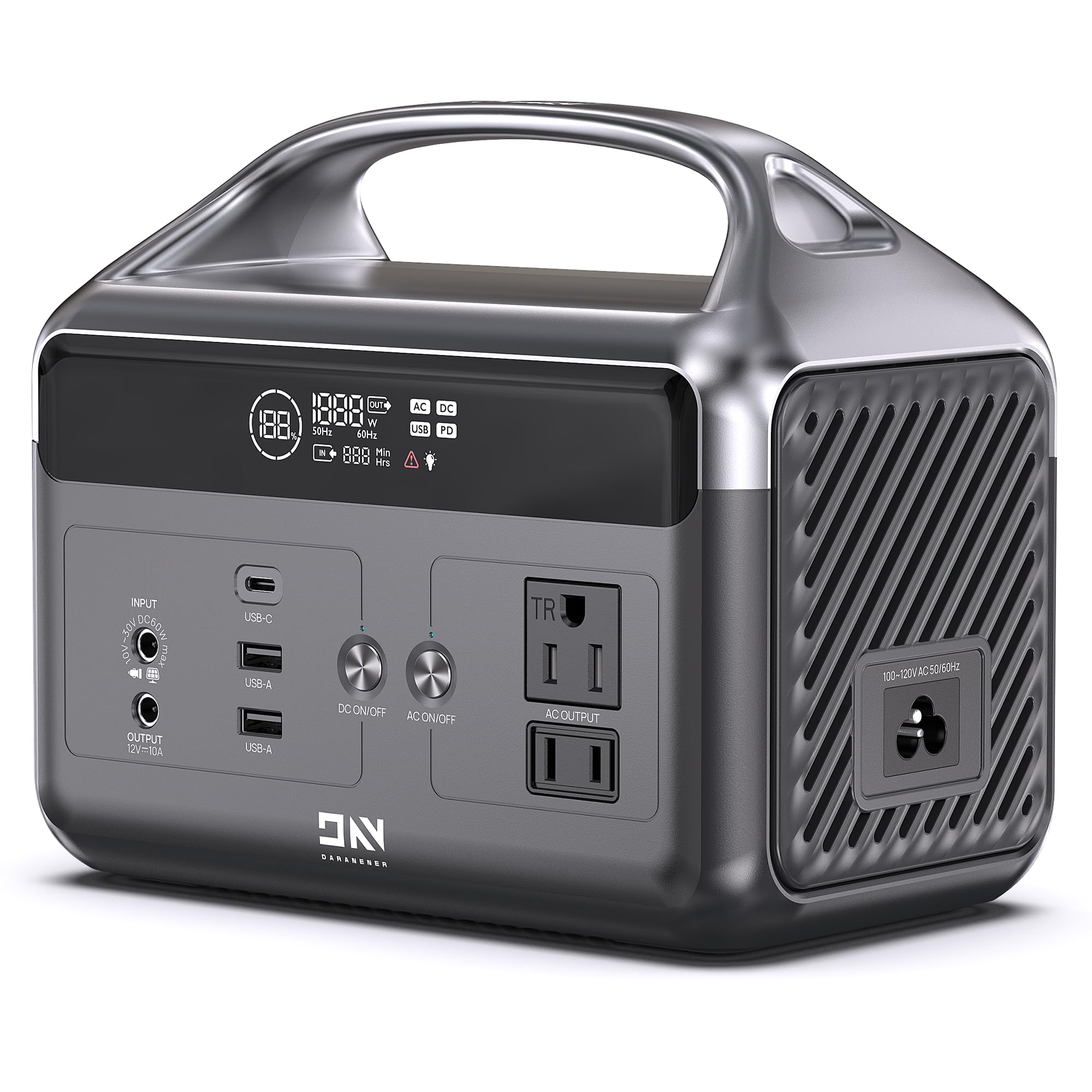
This compact power station works well for lightweight camping trips where you need to charge small electronics without carrying excessive weight.
Pros
- Six charging ports let you power multiple devices simultaneously including a 60W USB-C that handled our laptop charging needs efficiently
- The LiFePO4 battery technology means this unit will last through over 3500 charge cycles before losing capacity
- At just under six pounds, we could easily pack this in our camping gear without feeling weighed down
Cons
- The 192Wh capacity runs out faster than expected when charging larger devices like laptops
- Solar charging maxes out at 60W input which makes recharging painfully slow on cloudy days
- The 300W output limit means you can’t run coffee makers or portable refrigerators at camp
We took the DaranEner power station on a three-day camping trip and found it handled our phone and tablet charging duties without issue. The built-in LED light proved useful when setting up our tent after dark, and we appreciated the SOS mode for emergency signaling.
The pure sine wave output protected our camera batteries during charging, which mattered since we brought expensive photography equipment. We plugged in our CPAP machine overnight and it ran for about six hours before the battery depleted. The unit recharged fully in two hours when we got back to our vehicle.
Managing six devices at once worked smoothly during our trip. Our two phones, a tablet, camera battery, and portable fan all charged simultaneously without problems. The USB-C port delivered fast charging speeds that matched what we get from wall outlets at home.
The capacity limitation became apparent when we tried running our mini projector for movie night. We got roughly two hours of runtime before needing to recharge, which felt restrictive. The unit also couldn’t handle our electric kettle, so we stuck to our camp stove for hot water.
Build quality feels solid despite the lightweight construction. We accidentally knocked it over once and nothing broke or malfunctioned. The display screen clearly shows remaining battery percentage and current draw, helping us plan our power usage throughout the trip.
Anker SOLIX C1000 Gen 2
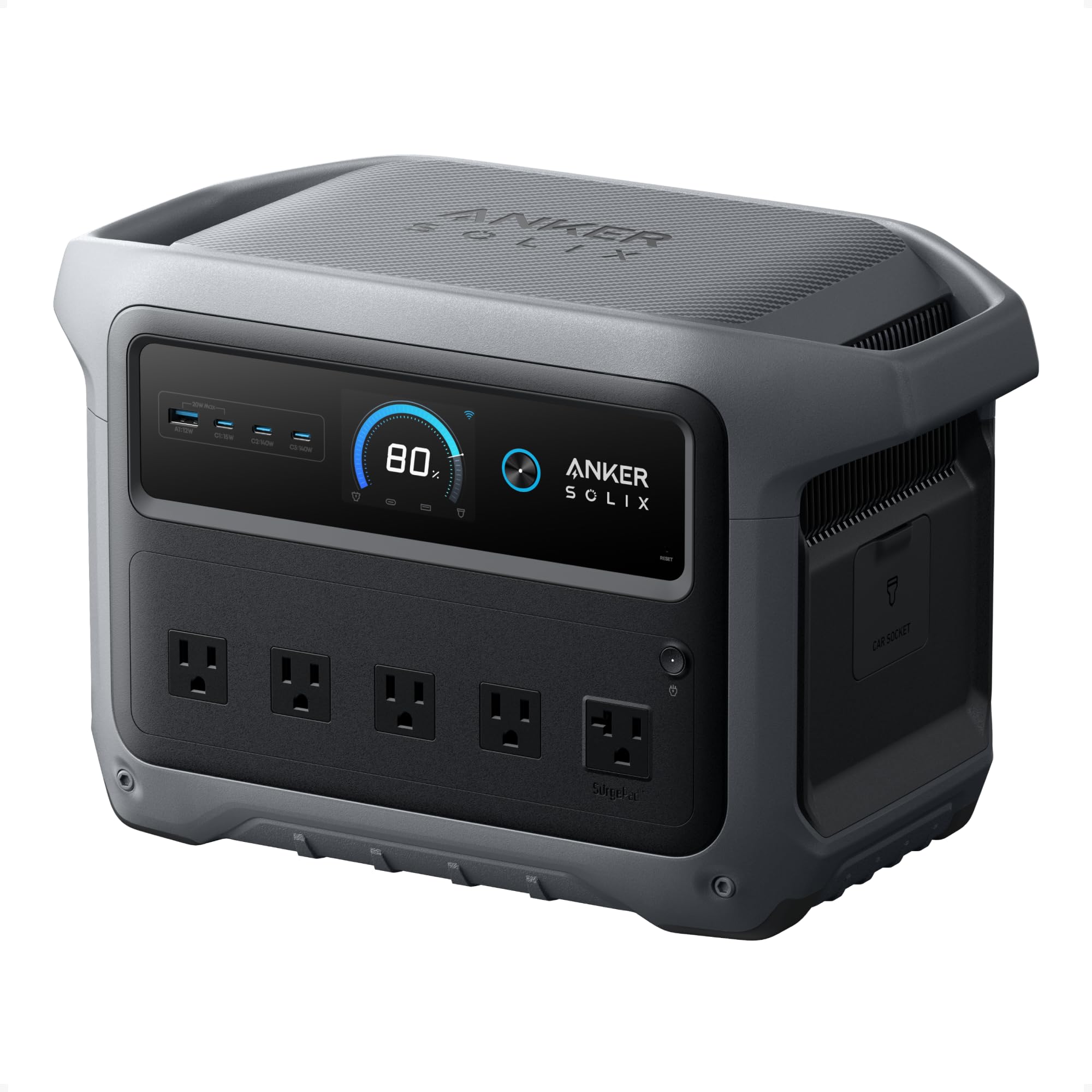
The Anker SOLIX C1000 Gen 2 is an excellent choice for campers who need reliable power with incredibly fast charging times and a compact design that won’t weigh down their gear.
Pros
- Charges completely in under 50 minutes from a wall outlet, making it perfect for last-minute camping trips
- Lightweight at 24.9 pounds and noticeably smaller than competing models, so it fits easily in our vehicle
- Handles ten devices simultaneously with consistent 2,000W output that powered our camp kitchen and electronics without any issues
Cons
- The app-based controls for advanced features add an extra layer of complexity we didn’t always need
- Solar charging requires buying panels separately, which increases the total investment
- At 1,024Wh capacity, we needed to be mindful of power consumption during extended off-grid stays
We recently took the Anker SOLIX C1000 Gen 2 on a four-day camping trip and appreciated how quickly we could top it off before leaving. The HyperFlash charging technology delivered exactly what it promised, giving us a full battery in less than an hour when we plugged it in at home.
During our time at the campsite, we ran a portable fridge, charged laptops and phones, and even powered a small coffee maker without stressing the system. The 2,000W continuous output handled everything we threw at it, though we did notice the 3,000W peak capacity kicked in when starting up the coffee maker.
Carrying this unit from our car to the campsite was surprisingly manageable thanks to the reduced size and weight. We’ve used bulkier power stations before, and the difference in portability was immediately noticeable. The built-in handle made single-person transport easy, even over uneven terrain.
The battery longevity impressed us since it’s rated for 4,000 cycles while maintaining 80% capacity. We’re confident this will serve us for years of regular camping trips without degradation becoming an issue. The LiFePO4 chemistry provides peace of mind compared to older battery technologies we’ve encountered.
One feature we found particularly useful was the UPS functionality, which kept our devices running during brief power interruptions. The sub-10 millisecond switchover meant our sensitive electronics never experienced any disruption. This makes it versatile enough to use at home between camping adventures.
Buying Guide
When shopping for a portable power station for camping, we need to evaluate several critical specifications to ensure the unit meets our needs.
Power Capacity
The battery capacity, measured in watt-hours (Wh), determines how long the station can power our devices. We should calculate our expected power consumption by listing all devices we plan to use and their wattage requirements.
A 300Wh unit might charge phones and laptops, while a 1000Wh+ station can run mini-fridges and CPAP machines for extended periods.
Output Options
We must verify the power station includes the ports we need. Most units offer AC outlets, USB-A, USB-C, and 12V car ports.
Check the maximum output wattage of AC outlets to ensure they can handle our appliances. USB-C ports with Power Delivery are valuable for fast-charging compatible devices.
Recharging Methods
Consider how we’ll recharge the unit. Common options include:
- Wall outlet charging (fastest)
- Solar panel input (most practical for extended trips)
- 12V car charging (convenient during travel)
Solar charging capability is particularly important for multi-day camping trips where electrical hookups aren’t available.
Weight and Portability
We need to balance capacity with portability. Larger batteries provide more power but add significant weight. Units under 15 pounds are easier to carry, while 30+ pound stations may require two people or a cart.
Battery Type and Lifespan
Lithium-ion batteries are standard and offer good performance. LiFePO4 batteries cost more but provide longer lifespans and better temperature tolerance, making them worth considering for frequent campers.