Solar generators have surged in popularity as people seek cleaner alternatives to traditional gas-powered backup systems. These battery-powered units store energy from solar panels and provide electricity without fuel, noise, or emissions. The question many potential buyers face is whether the upfront investment justifies the long-term benefits.
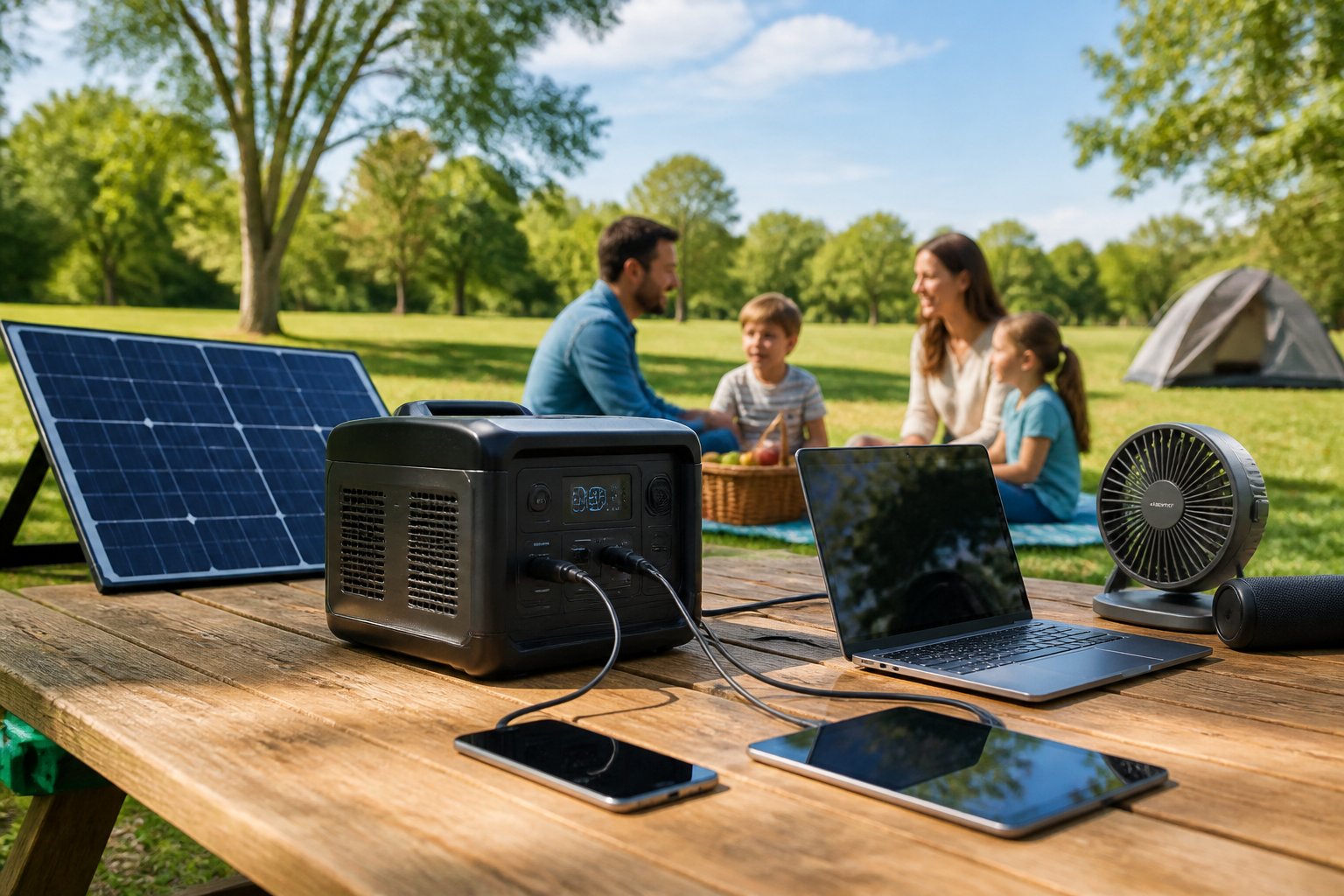
For most households and outdoor enthusiasts, solar generators are worth it when matched to the right application, though they’re not a universal solution for everyone. The value depends on specific energy needs, usage patterns, and whether the user prioritizes renewable energy over raw power capacity. Someone looking to power a few essential devices during outages or run electronics while camping will find different value than someone expecting to run an entire home indefinitely.
Understanding how these systems function, their strengths and limitations, and which scenarios favor solar technology helps buyers make informed decisions. This guide examines the practical realities of solar generators, from their core technology to real-world performance, helping readers determine if investing in backup power through renewable energy aligns with their needs and budget.
How Solar Generators Work
Solar generators convert sunlight into usable electricity through a coordinated system of panels, batteries, inverters, and charge controllers. The process captures solar energy, stores it for later use, and converts it to the correct electrical format for powering devices and appliances.
Key Components: Panels, Battery, Inverter, and Charge Controller
A solar generator consists of four essential components working together. Solar panels contain photovoltaic (PV) cells that capture sunlight and convert it into direct current (DC) electricity. These panels are typically smaller and more portable than rooftop solar panels.
The battery storage system stores the DC electricity generated by the panels. Most solar generators use lithium-ion batteries, though some employ lithium iron phosphate (LiFePO4) or lead-acid technology. Battery capacity is measured in watt-hours (Wh), determining how much energy the system can store.
A charge controller regulates the power flow from solar panels to the battery, preventing overcharging and damage. Two main types exist: MPPT controllers (maximum power point tracking) for grid-tied systems and PWM controllers (pulse width modulation) for off-grid setups. MPPT controllers are more efficient but cost more.
The inverter converts stored DC electricity into alternating current (AC) electricity, which most household appliances require. Pure sine wave inverters provide the cleanest, most reliable power output and work with sensitive electronics.
Step-by-Step Energy Conversion Process
The energy conversion process begins when photovoltaic cells in the solar panels absorb sunlight and generate DC electricity. This electricity flows through the charge controller, which regulates voltage and current to safe levels for battery storage.
The charge controller directs the regulated DC power to the battery storage system, where it’s held until needed. When a user plugs a device into the portable power station, the stored DC electricity flows to the inverter. The inverter transforms the DC power into AC electricity at the standard voltage (typically 120V in the US).
Solar charging occurs continuously during daylight hours, though charging speed depends on sunlight intensity and panel efficiency. Load management becomes important when using stored power, as running high-wattage appliances drains the battery faster than low-power devices.
Portable vs. Whole-Home Solar Generator Systems
Portable solar generators range from 500 to 3,500 watts of power output with battery capacities between 500 and 2,500 watt-hours. These units weigh between 15 and 60 pounds and include built-in outlets for direct device connection. They’re designed for camping, RV use, and powering small appliances during short outages.
Whole-home solar power systems require professional installation and aren’t considered true “generators” in the portable sense. These systems connect directly to a home’s electrical panel and can power major appliances like refrigerators, air conditioners, and heating systems. They use larger battery banks (10-20 kWh) and higher-capacity inverters (5-10 kW).
The key difference lies in capacity and mobility. A portable solar-powered generator powers essential devices for hours or days, while whole-home systems provide comprehensive backup power for extended periods. Portable units cost $1,000-$5,000, whereas whole-home installations typically exceed $15,000-$30,000 including panels and installation.
Benefits and Advantages of Solar Generators
Solar generators offer clean renewable energy without fuel costs, operate silently with minimal upkeep, and provide safe portable power for both indoor and outdoor use. These systems deliver practical advantages for emergency backup power, sustainable living, and energy independence.
Clean Energy and Environmental Impact
Solar generators harness solar power directly from the sun, producing zero emissions during operation. Unlike gas-powered generators that release carbon dioxide and other pollutants, these systems reduce a household’s carbon footprint significantly.
The environmental impact extends beyond just cleaner air. Solar charging eliminates the need for fossil fuels entirely, contributing to sustainable living practices. Each kilowatt-hour generated from solar energy rather than grid power or gas generators prevents approximately 1.5 pounds of CO2 emissions.
For those committed to renewable energy, portable solar generators represent a practical step toward energy independence. They allow users to generate their own electricity without relying on utility companies or depleting non-renewable resources. This becomes particularly valuable in remote locations or during extended power outages when traditional fuel sources may be unavailable.
Cost Savings and No Fuel Costs
The absence of fuel expenses represents one of the most compelling financial advantages. While a quality solar generator may cost $1,000-$3,000 upfront, it eliminates ongoing gasoline or propane purchases that can total hundreds of dollars annually.
Gas generators typically consume 0.75 gallons of fuel per hour under moderate load. At current fuel prices, running a gas unit for just 10 hours monthly costs approximately $200-$300 yearly. Solar generators incur no such recurring costs.
The break-even point typically occurs between years 4 and 6 for average users. Federal clean energy tax credits can reduce the initial investment by up to 30%, further accelerating payback timelines. After reaching break-even, the backup power essentially becomes free, with modern LiFePO4 batteries lasting over 3,000 cycles—potentially more than a decade of regular use.
Low Maintenance and Quiet Operation
Solar generators require minimal maintenance compared to traditional generators. There are no oil changes, spark plug replacements, or carburetor cleanings needed. Users simply need to keep solar panels reasonably clean and store the battery at proper charge levels when not in use.
The quiet operation makes these units ideal for residential areas and noise-sensitive environments. Solar generators run silently except for occasional cooling fans that activate briefly during charging. This contrasts sharply with gas generators that produce 65-90 decibels of continuous engine noise.
The combination of low maintenance and silent performance makes solar generators practical for overnight use near living spaces. Many users with CPAP machines or medical devices appreciate the ability to run essential equipment without disruptive noise or exhaust fumes throughout the night.
Portability, Safety, and Indoor Use
Portable solar generators can be safely operated indoors without risk of carbon monoxide poisoning. This critical safety advantage makes them suitable for apartments, RVs, and enclosed spaces where gas generators are strictly prohibited.
Modern units feature integrated handles and wheels for easier transport, though high-capacity models can weigh over 100 pounds. The portability allows users to move power where needed—from garage to living room during outages, or from home to campsite for recreational use.
For emergency preparedness, portable power provides reliable backup without storing volatile fuels. Solar generators remain ready for deployment during hurricanes, winter storms, or grid failures. They support emergency backup power needs for refrigerators, medical equipment, communications devices, and lighting without the safety hazards associated with combustion-based alternatives.
Limitations and Drawbacks of Solar Generators
Solar generators present several practical challenges that buyers should understand before making a purchase decision. Higher upfront costs, power constraints, weather dependency, and battery degradation all affect their long-term value and usability.
Initial Investment and Cost Comparison With Gas Generators
Solar generators require a substantially higher initial investment compared to traditional gas generators of similar wattage. A basic gas generator producing 2,000 watts typically costs between $500 and $800, while a solar generator with equivalent output power ranges from $1,500 to $3,000 or more.
This price difference becomes even more pronounced when accounting for solar panels, which are often sold separately. Adding sufficient solar panel capacity to recharge a mid-sized solar generator can add another $300 to $1,000 to the total investment.
Gas-powered generators also have lower barriers to entry for users who need immediate backup power. The combination of lower purchase price and faster deployment makes traditional gas generators more accessible for budget-conscious buyers, despite their ongoing fuel and maintenance costs.
Power Output, Battery Capacity, and Load Management
Most portable solar generators have limited power capacity compared to gas generators in the same price range. A typical 2,000-watt solar generator stores between 1,000 and 2,500 watt-hours of energy, which may only power a refrigerator for 10-20 hours depending on efficiency and usage patterns.
Load management becomes critical with solar generators because simultaneous operation of multiple high-draw appliances quickly depletes stored energy. Running a space heater, refrigerator, and microwave together often exceeds the output capacity of all but the largest models.
The surge power requirements of certain devices also create problems. Power tools, air conditioners, and appliances with compressors often require 2-3 times their running wattage during startup, which can overload systems not designed for these peak demands.
Users must carefully calculate their actual energy storage needs in watt-hours rather than just looking at output wattage. A 2,000-watt unit with only 1,000 watt-hours of battery capacity will run at full power for just 30 minutes before depletion.
Weather Dependence and Charging Limitations
Solar generators rely entirely on sunlight for off-grid recharging, making them significantly less reliable during cloudy weather, winter months, or extended storms. Charging times can increase from 6-8 hours in direct sunlight to 20-30 hours under overcast conditions.
This weather dependency creates a critical vulnerability during multi-day power outages caused by severe weather events. When storms block sunlight for several consecutive days, solar generators cannot recharge while gas-powered generators simply require more fuel.
Recharging speeds also lag far behind gas generators even in optimal conditions. A gas generator produces power continuously as long as fuel is available, while solar panels may take an entire day to fully recharge a depleted battery bank. Wall outlet charging provides an alternative but defeats the purpose of energy independence during grid failures.
Battery Lifespan and Replacement Considerations
Lithium-ion and LiFePO4 batteries degrade over time regardless of usage patterns. Most solar generators last between 3,000 and 5,000 charge cycles before capacity drops to 80% of original performance, translating to roughly 7-10 years with regular use.
Battery replacement costs often approach 40-60% of the original purchase price for the entire unit. A solar generator that initially cost $2,000 may require a $800-$1,200 battery replacement after a decade, significantly impacting the total cost of ownership.
Temperature extremes accelerate battery degradation. Operating or storing solar generators in environments below freezing or above 100°F reduces both immediate performance and long-term battery lifespan. Gas generators face no such temperature-related energy storage limitations.
Real-World Applications and Use Cases
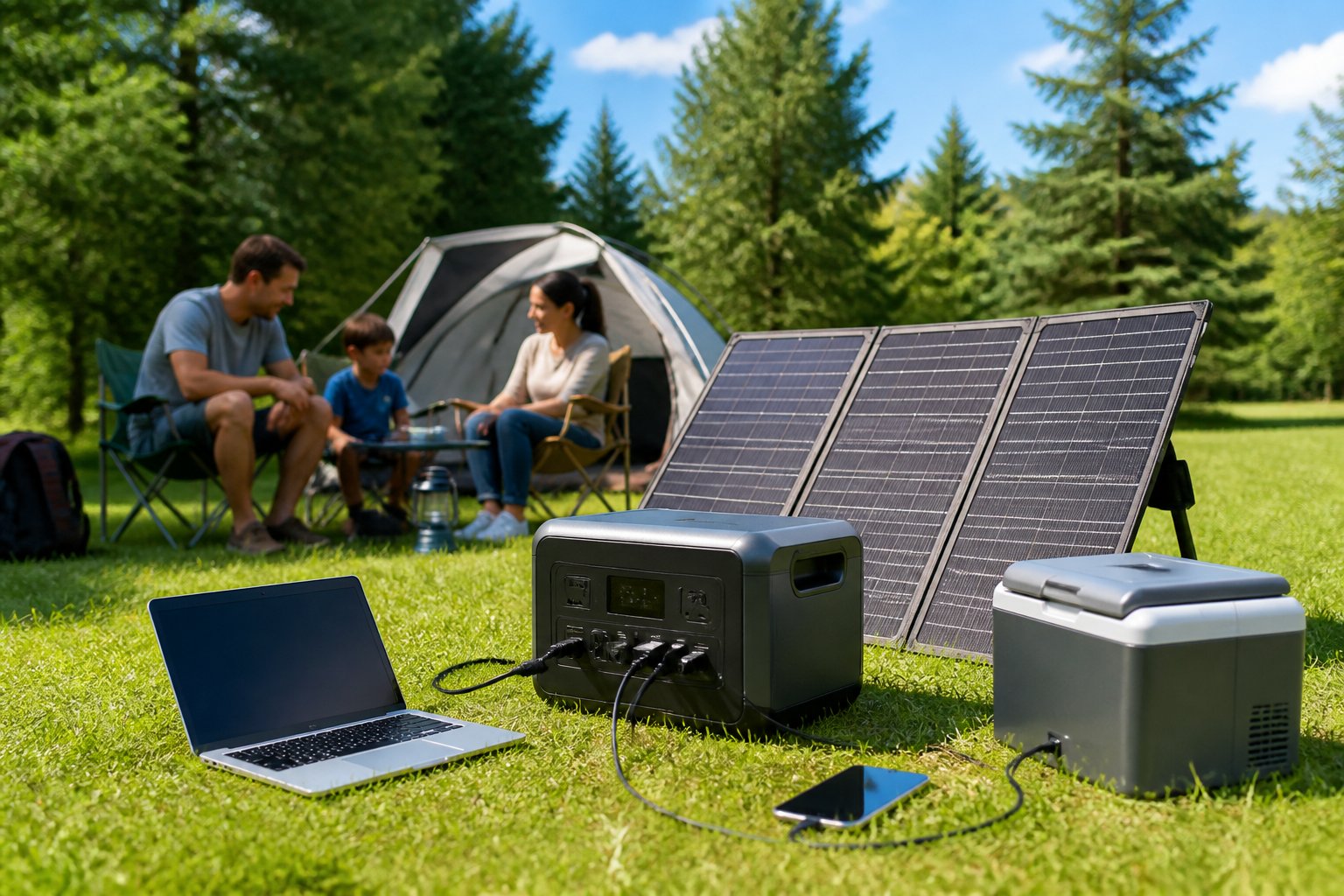
Solar generators serve specific needs across residential, outdoor, and professional settings. They provide emergency backup power during outages, enable off-grid living without fuel dependency, and offer portable electricity for camping, RVs, and remote work sites.
Home Backup Power and Emergency Preparedness
A portable power station with solar panels provides emergency backup power during grid failures. Most units can run essential devices like refrigerators, medical equipment, lights, and communication devices for several hours to days depending on capacity. Units in the 1000-2000Wh range typically keep critical appliances running during short outages.
Unlike whole-house backup systems, portable solar generators don’t power an entire home simultaneously. They work best for targeted loads rather than whole-home backup scenarios. Users prioritize essential circuits and rotate devices based on battery capacity.
Solar-powered generators recharge during daylight hours, extending available power during multi-day outages. This advantage becomes critical when fuel supplies run short or gas stations lose power. The silent operation also matters in residential areas where noise ordinances or neighbor considerations apply.
Off-Grid Living, RVs, and Camping
Off-grid power applications represent the strongest use case for solar generators. RV travelers and van dwellers use these systems as their primary electricity source, eliminating generator noise and fuel costs. A 2000Wh unit with 200-400W of solar panels typically meets daily power needs for lighting, laptops, phones, and small appliances.
Off-grid living setups often combine multiple units or expandable systems. These configurations provide energy independence without relying on traditional generators or shore power connections. Battery capacity determines how many days users can operate without sunlight.
Campers value the portability and zero emissions. A solar-powered generator runs sensitive electronics safely and charges devices overnight without disturbing wildlife or other campers. Weight matters for backpacking, where smaller 300-500Wh units balance capacity with portability.
Portable Solutions for Outdoor Work and Remote Sites
Construction crews and outdoor professionals use portable solar generators to power tools at remote sites. These units run drills, saws, and other equipment where grid access doesn’t exist. Film crews and photographers rely on them for lighting and camera equipment in wilderness locations.
Event organizers deploy solar generators for outdoor weddings, festivals, and markets. They provide clean power for sound systems, food vendors, and lighting without fuel logistics. The quiet operation preserves the atmosphere that gas generators would disrupt.
Research teams and environmental monitors use them for field equipment and data collection stations. Solar charging enables extended deployments without returning to civilization for power. Weather stations and remote cameras operate indefinitely with adequate solar input.
Apartment and Urban Use Cases
Apartment dwellers face unique power challenges that solar generators address. Balcony solar setups charge portable power stations during the day, providing backup electricity without installation restrictions. Urban residents use these systems during rolling blackouts or infrastructure failures.
Car charging represents a limited but viable application. A large-capacity unit can add 10-30 miles of range to an electric vehicle, though this works better as emergency supplementation than primary charging. Most portable solar generators lack the output for fast car charger speeds.
Urban emergency preparedness benefits from solar generators where evacuation isn’t possible. Apartment residents can’t run gas generators indoors, making battery-based systems the only safe option. Units store indefinitely without fuel degradation, ready for unexpected power disruptions.
Choosing and Maximizing the Value of a Solar Generator
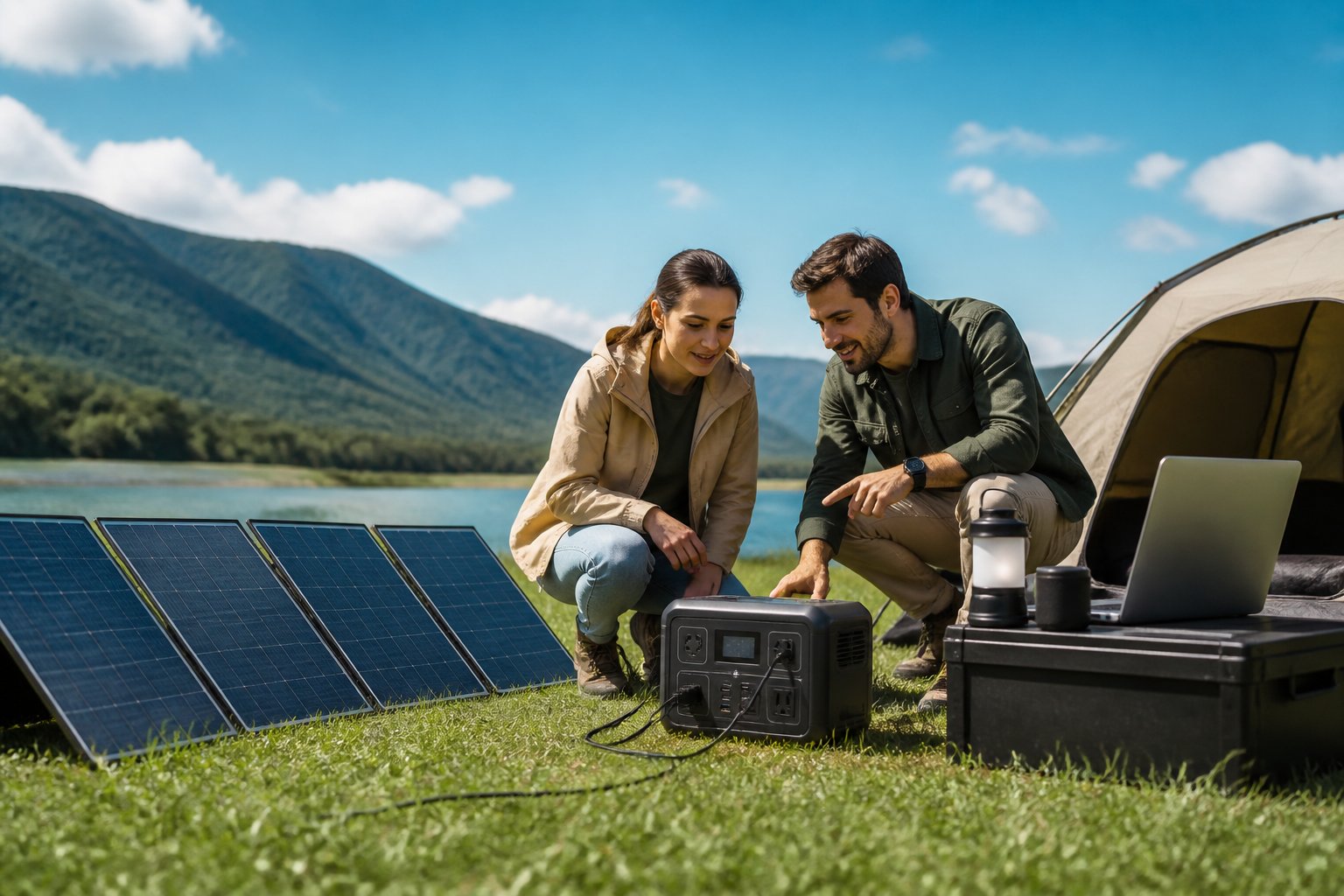
Getting the most value from a solar generator requires matching the right specifications to actual power needs, understanding battery technology, and following proper charging practices. Smart purchasing decisions and correct usage patterns directly impact both performance and lifespan.
Sizing and Power Needs Assessment
The most critical decision involves matching power capacity to actual consumption requirements. A solar generator that’s too small will fail during outages, while an oversized unit wastes money on unused capacity.
Start by calculating total wattage for essential devices. Refrigerators typically use 150-800 watts, laptops consume 50-100 watts, and phone chargers need 5-20 watts. Add these figures together and multiply by expected runtime hours to determine minimum watt-hour (Wh) capacity needed.
Power output matters just as much as battery capacity. Peak wattage determines which devices can run simultaneously. A 2000W power output handles most household appliances, while 500-1000W suits basic electronics and small appliances.
Consider expansion needs before purchasing. Many users underestimate power requirements and regret buying units without expandable battery storage options.
Understanding Battery Storage and Maintenance
Modern solar generators use lithium-ion batteries, specifically LiFePO4 (lithium iron phosphate) or NMC (nickel manganese cobalt) chemistry. LiFePO4 batteries offer 3,000-5,000 charge cycles and better temperature tolerance, while NMC provides higher energy density in lighter packages.
Battery capacity degrades over time regardless of chemistry type. Proper maintenance extends lifespan significantly. Store units at 50-80% charge when not in use, as full or empty storage accelerates degradation.
Temperature control proves essential for longevity. Keep solar generators between 32°F and 104°F during operation and storage. Extreme heat damages battery cells faster than any other factor.
The charge controller regulates power flowing from solar panels to the battery. MPPT (Maximum Power Point Tracking) controllers extract 20-30% more energy than PWM (Pulse Width Modulation) types, making them standard in quality units.
Comparing Brands and Notable Models
Jackery dominates the portable solar generator market with reliable build quality and widespread availability. Their Explorer series ranges from compact 240Wh units to powerful 2000Wh systems.
EcoFlow and Bluetti offer competitive alternatives with faster charging capabilities. EcoFlow’s Delta series charges to 80% in one hour from wall outlets, while Bluetti focuses on expandable battery systems for off-grid applications.
Goal Zero maintains strong reputation for durability in outdoor conditions. Anker entered the market with competitive pricing on mid-range capacity units.
Compare these key specifications across brands:
| Feature | Priority Level | Why It Matters |
|---|---|---|
| Battery capacity (Wh) | Critical | Determines runtime |
| Power output (W) | Critical | Limits device compatibility |
| Solar input (W) | High | Affects recharge speed |
| Cycle life | High | Impacts long-term value |
| Warranty length | Medium | Indicates manufacturer confidence |
| Weight | Medium | Affects portability |
Tips for Efficient Solar Recharging and Longevity
Solar panel positioning dramatically affects charging speed. Angle panels perpendicular to the sun and adjust every 2-3 hours for maximum efficiency. A 200W solar panel produces 200W only under ideal conditions—expect 120-160W in typical outdoor settings.
Match solar panel wattage to the generator’s maximum solar input rating. Using panels below this rating wastes the charge controller’s capacity, while exceeding it provides no benefit since excess power gets rejected.
Partial shade reduces solar output by 40-80%, not proportionally. A panel that’s 25% shaded might lose 60% of its production due to how cells connect in series.
Clean panels monthly with water and a soft cloth. Dust, pollen, and debris block sunlight and reduce charging efficiency by 15-25% when accumulated.
Keep solar generators and panels dry during charging. Most units resist light rain, but moisture in charging ports causes corrosion and electrical issues. Store panels completely dry to prevent delamination.
Avoid deep discharges below 20% battery capacity when possible. While modern batteries include protection circuits, regularly draining to zero shortens overall lifespan by forcing additional stress on cells.